

Estate Planning
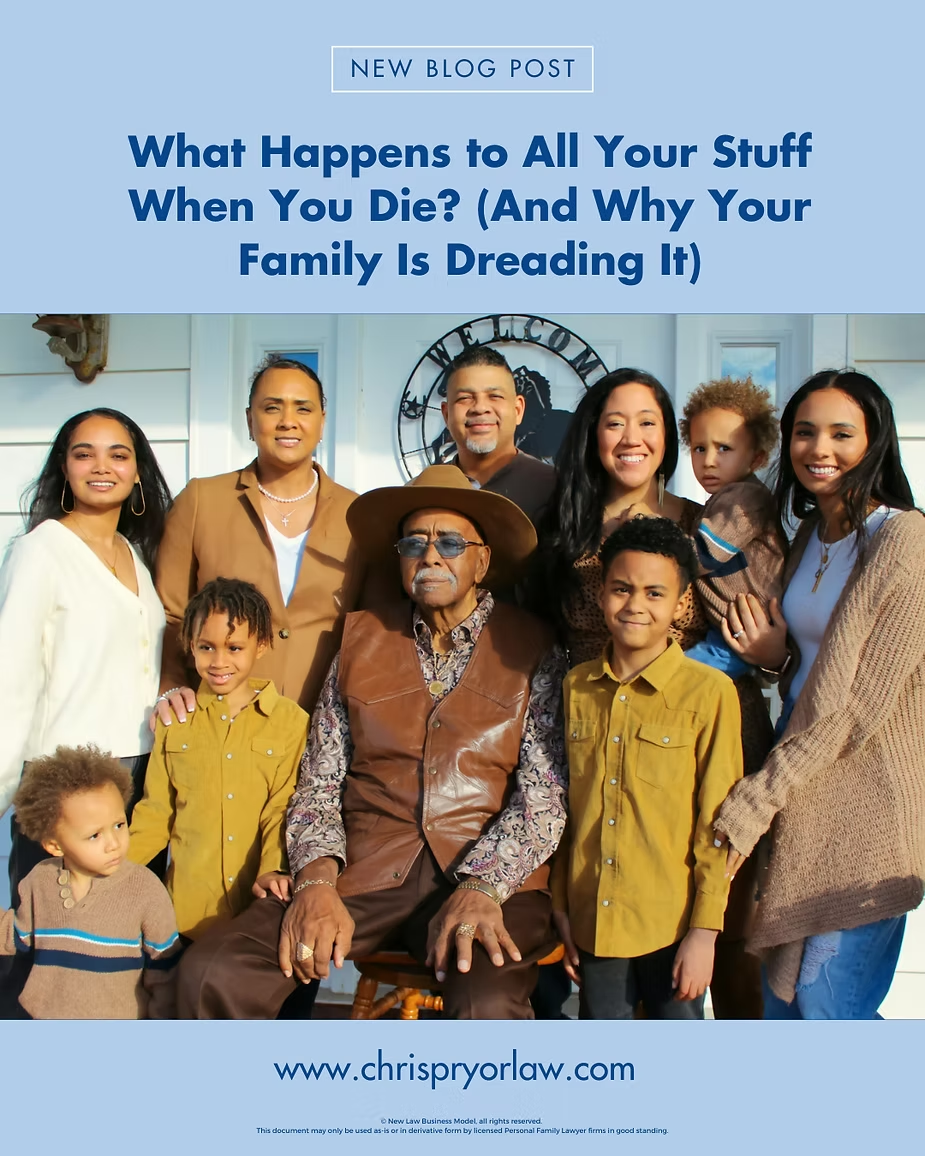
What Happens to All Your Stuff When You Die? (And Why Your Family Is Dreading It)
You open the door to your parents’ home for the first time since the funeral. Closets stuffed with decades of clothes. Cabinets filled with china
You open the door to your parents’ home for the first time since the funeral. Closets stuffed with decades of clothes. Cabinets filled with china

When you begin thinking about estate planning, one of the first questions you might ask is whether you need a will, a trust, or both.

When someone asks you to be the executor of their estate, it might seem like a straightforward responsibility – distribute assets according to their will

For most families, the estate planning process is more involved than simply naming beneficiaries. While the primary goal of estate planning is transferring assets in an orderly and tax-efficient manner, it’s just as important to focus on preserving wealth across generations.
No matter what line of work you are in, estate planning has facets that apply to everyone, and it comes down to documenting wishes and avoiding probate and unnecessary taxes. Too many people put it off, but, in general, the sooner you do it, the better.

Both wills and trusts are estate planning documents that can be used to pass your wealth and property to your loved ones upon your death.